304 North Cardinal St. Dorchester Center, MA 02124
A Guide to Magic Mushrooms: Understanding Psilocybin
Magic mushrooms, often called “shrooms” or psychedelic mushrooms, are a type of fungi that contain the naturally occurring psychoactive compound psilocybin. For centuries, they have been used in spiritual and healing rituals by various cultures. Today, there is a resurgence of interest in their potential therapeutic benefits, alongside their use for personal exploration and recreation.
This guide is meant to provide educational information. The cultivation, possession, and use of psilocybin mushrooms are illegal in many countries and jurisdictions. This is not an encouragement to use them, but a resource to promote safety, understanding, and harm reduction for those who are seeking information.
What Are Magic Mushrooms?
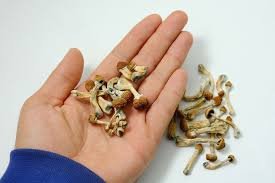
Magic mushrooms refer to over 180 species of fungi that contain psilocybin and its related compound, psilocin. When ingested, these compounds are converted in the body and primarily interact with serotonin receptors in the brain, leading to altered perception, thought, and emotion.
Common species include:
Psilocybe cubensis: The most widely recognized and cultivated species.
Psilocybe semilanceata (Liberty Cap): A potent wild species found in many regions.
Psilocybe azurescens: Known for high potency.
Effects & Experience (The “Trip”)
A psilocybin experience, often called a “trip,” can vary dramatically based on dosage, set (mindset), and setting (environment).
Common Effects (Low to Moderate Dose):
Altered perception of time and space.
Enhanced sensory experiences (e.g., brighter colors, patterns when eyes are closed).
Emotional openness, euphoria, or introspection.
Increased connectedness to nature or others.
Effects at Higher Doses:
Visual and auditory hallucinations.
Profound mystical or spiritual experiences.
Ego dissolution (the feeling of the “self” dissolving).
Potentially challenging experiences (“bad trips”) involving anxiety, paranoia, or confusion.
Duration: Effects typically begin 20-40 minutes after ingestion, peak at 1-3 hours, and gradually subside over 4-6 hours.
Potential Risks & Harms
Psychological Distress: The most common risk is a “bad trip,” which can be frightening and emotionally difficult.
Underlying Mental Health Conditions: Psilocybin can exacerbate conditions like schizophrenia, bipolar disorder, or severe anxiety in those predisposed.
Impaired Judgment: Can lead to risky behavior or accidents.
Physical Effects: Nausea, vomiting, dizziness, and increased heart rate are possible.
Legal Consequences: As a controlled substance in most places, possession can lead to arrest, fines, or imprisonment.
Harm Reduction: If You Choose to Proceed
If, after careful consideration of the risks and legality, an individual makes an informed choice, these principles are crucial for safety:
Know Your Source: Misidentification of wild mushrooms can be fatal. Some poisonous mushrooms look similar. If foraging, you must be 100% certain of identification—use a reliable guide and consult experts.
Start Low, Go Slow: For first-time users, a low dose (e.g., 1 gram of dried P. cubensis or less) is essential to gauge sensitivity.
Set & Setting are Paramount:
Set: Be in a stable, positive mindset. Do not use when stressed, depressed, or anxious.
Setting: Be in a safe, comfortable, and familiar place, ideally with a sober, experienced, and trusted trip sitter present.
Avoid Mixing Substances: Do not combine with alcohol, cannabis (can intensify anxiety), or other drugs, especially stimulants or antidepressants (like SSRIs/MAOIs).
Have a Plan for Difficult Moments: Prepare calming music, a quiet space, and a trusted person to reassure you that the experience is temporary and you are safe.
Therapeutic Potential & Research
Modern clinical research is exploring psilocybin as a breakthrough therapy for:
Treatment-Resistant Depression
End-of-Life Anxiety in terminal patients
Addiction (to substances like alcohol or tobacco)
OCD and PTSD These studies use pure, measured psilocybin in controlled clinical settings with professional psychological support—a very different context from recreational use.
Disclaimer & Final Note
This guide is for informational purposes only. It does not constitute medical or legal advice. The use of psilocybin mushrooms carries significant legal and health risks.
The most assured way to avoid harm is to abstain.
If you are struggling with mental health issues, please seek help from licensed healthcare professionals. If you are curious about the therapeutic potential of psilocybin, look into the status of clinical trials in your region.
Understanding, respect, and caution are the foundations of any meaningful exploration.